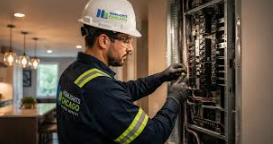

Attics are often overlooked when homeowners think about electrical maintenance. Although these spaces are primarily used for insulation, storage, and ventilation equipment, they may also contain important electrical wiring, junction boxes, lighting connections, and equipment serving different parts of the home. When attic electrical components become damaged or deteriorated, they can create problems that affect other living areas.
For Chicago homeowners, maintaining attic electrical safety is particularly important because seasonal temperature changes, moisture exposure, and pest activity can affect wiring conditions. Understanding common electrical problems, warning signs, and professional repair requirements can help homeowners protect their properties and maintain reliable electrical infrastructure.
Why Attic Electrical Safety Is Important
Electrical wiring frequently passes through attic spaces to supply power to ceiling lights, ventilation equipment, and other household devices.
Because these areas are not regularly occupied, developing electrical problems may remain unnoticed until they affect connected equipment.
Proper attic electrical maintenance provides several important benefits:
- Helps identify damaged or deteriorating wiring.
- Reduces risks associated with faulty electrical connections.
- Supports reliable operation of ceiling fixtures.
- Helps prevent electrical problems caused by moisture exposure.
- Improves safety during attic renovations.
- Supports the maintenance of ventilation equipment.
- Makes future electrical improvements easier to plan.
Professional inspections can help determine whether existing attic electrical installations remain suitable for continued use.
Common Electrical Problems Found in Residential Attics
Attic electrical systems can develop problems because of environmental conditions, aging materials, or previous improper modifications.
Damaged Electrical Wiring
Electrical cables may become damaged by physical pressure, sharp objects, pests, or unsuitable installation methods.
Exposed conductors and deteriorating insulation can create dangerous electrical conditions.
Loose Electrical Connections
Loose connections can generate excessive heat and affect the reliability of connected equipment.
These problems may occur inside junction boxes, lighting connections, or other electrical components.
Improperly Installed Junction Boxes
Electrical splices and connections generally require suitable enclosures and approved installation methods.
Improperly enclosed connections can create safety hazards.
Aging Wiring Insulation
Older properties may contain wiring materials that have deteriorated over time.
Professional evaluation helps determine whether affected conductors require repairs or replacement.
Moisture-Related Electrical Damage
Roof leaks, condensation, and ventilation problems can expose attic electrical equipment to moisture.
Water intrusion can contribute to corrosion and damaged connections.
Pest-Damaged Cables
Rodents and other pests may damage electrical cable insulation.
Suspected damage should be evaluated by qualified professionals.
Warning Signs That Attic Electrical Equipment Needs Repair
Homeowners should investigate unusual electrical behavior that may originate from attic wiring or connected devices.
Flickering Ceiling Lights
Persistent flickering may result from loose connections, defective fixtures, or other electrical faults.
Frequently Tripping Circuit Breakers
Repeated breaker trips may indicate damaged wiring, overloaded circuits, or defective equipment.
Burning Odors Near Ceilings
A burning smell coming from attic areas or ceiling fixtures may indicate overheating electrical components.
This condition requires urgent professional attention.
Unusual Electrical Sounds
Buzzing, crackling, or popping sounds may indicate potentially dangerous electrical problems.
Unexpected Lighting Failures
Repeated failures affecting multiple ceiling fixtures may suggest underlying wiring or circuit issues.
Visible Cable Damage
Cracked insulation, exposed conductors, and damaged electrical enclosures require professional evaluation.
These symptoms should not be ignored because electrical faults can develop into serious safety hazards.
When Should Homeowners Arrange Professional Attic Electrical Repairs?
Attic electrical problems should receive prompt attention when wiring is damaged, connections are deteriorating, or connected equipment repeatedly malfunctions.
A qualified Electrical Repair Service in Chicago can help homeowners inspect attic wiring, diagnose faulty connections, evaluate junction boxes, and recommend suitable repairs based on the property’s electrical conditions.
Licensed electricians can identify problems that may be difficult to detect through ordinary household observations.
Not every electrical fault requires extensive wiring replacement. Some concerns can be corrected through properly completed connection repairs, compatible component replacement, or limited circuit modifications.
How Chicago Weather Can Affect Attic Electrical Systems
Chicago experiences significant seasonal changes that can influence attic conditions.
Winter Temperature Changes
Cold outdoor temperatures and warm indoor air can contribute to condensation when attic ventilation and air sealing are inadequate.
Moisture accumulation may affect electrical components.
Summer Heat
Attics can become considerably warmer than occupied living spaces during summer.
Electrical conductors and equipment must be suitable for their installation temperatures.
Heavy Rainfall
Roof leaks can allow water to reach attic wiring and electrical connections.
Snow and Ice Accumulation
Certain roof drainage problems can allow moisture to enter attic spaces during winter.
Seasonal Humidity
Changes in humidity may contribute to moisture-related deterioration in inadequately maintained attic environments.
Professional inspections help identify electrical equipment affected by these conditions.
Understanding Electrical Wiring in Attic Spaces
Attics often contain wiring that supplies electricity to several parts of a residential property.
Ceiling Lighting Circuits
Wiring may connect switches and protective devices to lighting fixtures installed below the attic.
Bathroom Ventilation Fans
Bathroom exhaust fans often have electrical connections accessible through attic spaces.
Attic Ventilation Equipment
Powered attic fans require suitable wiring, protective devices, and controls.
Smoke Alarm Connections
Certain interconnected smoke alarm systems use wiring routed through ceiling and attic areas.
Air Conditioning Components
Some homes contain air handling equipment or related electrical connections in attic spaces.
Each installation must meet applicable electrical requirements and manufacturer specifications.
Why Attic Junction Boxes Require Proper Maintenance
Junction boxes contain electrical connections that must remain protected and accessible where required.
Suitable Electrical Enclosures
Electrical splices should be housed in approved enclosures according to applicable installation requirements.
Secure Cable Connections
Cables should enter electrical boxes through appropriate fittings or approved installation arrangements.
Proper Box Covers
Junction boxes should have suitable covers to protect internal electrical connections.
Accessible Installation Locations
Electrical junction boxes must remain accessible as required by applicable electrical codes.
Professional Connection Repairs
Loose, damaged, or improperly installed connections should be corrected by qualified electricians.
Electrical Problems Caused by Attic Renovations
Attic remodeling projects may introduce new wiring requirements or reveal existing defects.
Adding Living Space
Converting an attic into a bedroom or office may require additional outlets, lighting fixtures, and electrical circuits.
Installing Insulation
Insulation work must account for electrical equipment, recessed fixtures, and applicable clearance requirements.
Adding Ventilation Equipment
New ventilation fans may require suitable electrical connections and protective devices.
Installing Lighting Fixtures
Additional lighting should be connected according to circuit capacity and equipment specifications.
Relocating Electrical Wiring
Renovations may require professional wiring modifications to accommodate new walls, flooring, or other building features.
Reviewing Existing Circuits
Electrical capacity should be evaluated before introducing additional appliances or equipment.
How Professional Electricians Diagnose Attic Electrical Problems
Electrical troubleshooting involves inspecting relevant components and identifying the underlying cause of a fault.
Initial Safety Assessment
An electrician reviews reported symptoms and evaluates potential hazards before beginning work.
Circuit Identification
The affected electrical circuit is identified to determine which fixtures and devices may be connected.
Wiring Condition Inspection
Accessible cables are examined for damaged insulation, physical deterioration, and unsuitable installation methods.
Junction Box Evaluation
Electrical enclosures and connections are assessed for visible defects and compatibility.
Electrical Testing
Appropriate testing equipment may be used to evaluate circuit conditions and identify faults.
Repair Recommendations
Inspection findings help determine whether wiring repairs, component replacement, or other corrective measures are necessary.
Electrical Safety Considerations Around Attic Insulation
Attic insulation improves building thermal performance, but it must be installed appropriately around electrical equipment.
Recessed Lighting Fixtures
Certain recessed fixtures have specific requirements concerning contact with insulation.
Only equipment appropriately rated for insulation contact should be covered according to its specifications.
Electrical Junction Boxes
Junction boxes must remain accessible as required by applicable electrical codes.
Damaged Wiring
Insulation should not be used to conceal known wiring defects or unsafe connections.
Equipment Heat Dissipation
Electrical components must be installed according to their temperature and clearance requirements.
Professional Coordination
Electricians and insulation contractors should coordinate when attic improvements involve existing electrical equipment.
Common Attic Electrical Repair Mistakes to Avoid
Improper repair practices can create additional electrical hazards.
Ignoring Damaged Cable Insulation
Exposed conductors and visibly deteriorating wiring require professional evaluation.
Leaving Electrical Connections Unprotected
Electrical splices must be enclosed and installed according to applicable requirements.
Covering Inaccessible Junction Boxes
Electrical junction boxes must remain accessible where required.
Using Unsuitable Wiring Methods
Electrical cables must be appropriate for their installation conditions and protected from physical damage.
Overloading Existing Circuits
Additional lighting or ventilation equipment should not be connected without evaluating circuit capacity.
Attempting Unqualified Electrical Repairs
Attic wiring can remain energized even when nearby wall switches are turned off.
Electrical modifications should only be performed by qualified professionals.
Preventive Maintenance Tips for Attic Electrical Systems
Regular maintenance can help homeowners identify developing problems before they become serious.
Address Roof Leaks Promptly
Water intrusion should be corrected before moisture damages electrical components.
Monitor Pest Activity
Evidence of rodents or other pests may indicate a risk of damaged cable insulation.
Maintain Suitable Ventilation
Proper attic ventilation and moisture control can help reduce environmental conditions that contribute to deterioration.
Protect Wiring During Storage
Stored materials should not place unnecessary pressure on electrical cables or equipment.
Inspect Visible Equipment Conditions
Homeowners can observe accessible electrical enclosures for visible damage without opening or touching electrical components.
Schedule Professional Inspections
Qualified electricians can evaluate wiring conditions and recommend appropriate repairs.
Why Professional Electrical Repairs Are Essential
Attic electrical systems may contain energized wiring and connections that present serious hazards.
Attempting electrical repairs without appropriate qualifications can expose homeowners to electric shock, burns, and potentially dangerous electrical faults.
Attics also present additional physical risks because of limited walking surfaces, restricted access, and concealed structural spaces.
Licensed electricians have the technical knowledge, specialized equipment, and training required to inspect and repair electrical installations safely.
Professional repairs help ensure that wiring arrangements, electrical connections, and protective devices comply with applicable requirements.
Long-Term Benefits of Proper Attic Electrical Maintenance
Maintaining attic electrical infrastructure supports dependable operation of ceiling lighting, ventilation equipment, and other household systems.
Professional inspections can identify deteriorating wiring before it causes unexpected interruptions or major electrical problems.
Suitable cable protection and properly maintained connections also help reduce avoidable electrical hazards.
Evaluating attic wiring before insulation work or renovations can make future improvements more manageable.
Accurate inspection records and repair documentation can assist homeowners when planning additional electrical modifications.
By addressing electrical concerns promptly, residential properties can maintain more reliable electrical systems throughout the building.
Conclusion
Attic electrical systems require proper attention because wiring, junction boxes, lighting connections, and ventilation equipment may be affected by aging materials, moisture exposure, temperature changes, and physical damage.
Chicago homeowners should recognize warning signs such as flickering ceiling lights, recurring breaker trips, burning odors, and visible wiring deterioration.
With qualified inspections, timely repairs, appropriate wiring protection, and preventive maintenance, residential properties can maintain safer attic electrical infrastructure while supporting dependable household electricity distribution.