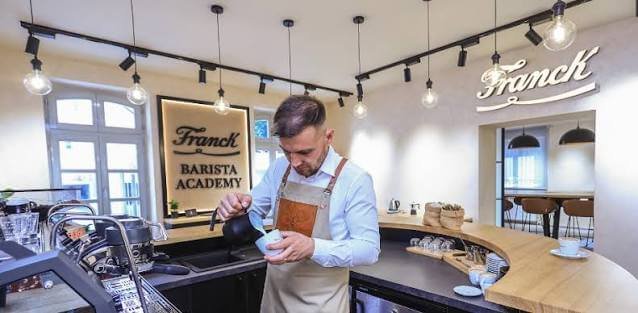

Running a successful coffee shop requires more than high-quality coffee beans, attractive branding, and a welcoming atmosphere. While these elements contribute to the customer experience, the knowledge and capabilities of the people preparing and serving coffee can have an equally significant impact on a shop’s reputation and long-term profitability.
Professional barista training equips coffee shop employees with the technical skills, product knowledge, and customer service expertise necessary to consistently deliver exceptional beverages. For independent coffee shops, established cafés, and growing hospitality businesses, investing in employee training can improve operational efficiency, reduce waste, strengthen customer loyalty, and create a competitive advantage.
Understanding the importance of professional barista training begins with recognizing how much influence a skilled barista has on the overall coffee shop experience.
What Is Professional Barista Training?
Professional barista training is a structured educational process designed to teach coffee shop employees how to prepare, serve, and understand coffee at a professional level.
Unlike informal on-the-job instruction, professional training typically combines technical demonstrations, hands-on practice, and education about coffee production, brewing methods, and equipment maintenance.
A comprehensive barista training program may cover several essential areas:
- Coffee fundamentals: Understanding coffee origins, processing methods, roast profiles, and flavor characteristics.
- Espresso preparation: Learning proper grinding, dosing, tamping, extraction, and shot evaluation.
- Milk steaming and texturing: Developing the ability to create consistent milk texture for lattes, cappuccinos, and other espresso-based beverages.
- Brewing techniques: Understanding the principles behind drip coffee, pour-over brewing, and other preparation methods.
- Equipment operation: Learning how to operate, clean, calibrate, and maintain commercial coffee equipment.
- Customer service: Developing communication skills and the ability to recommend beverages based on customer preferences.
- Workflow management: Improving speed, organization, and consistency during high-volume service periods.
For coffee shop owners, these skills directly influence beverage quality, customer satisfaction, and daily operations.
1. Professional Barista Training Improves Coffee Quality and Consistency
One of the most important reasons to invest in professional barista training is the ability to produce consistently high-quality beverages.
Customers develop expectations when visiting their favorite coffee shops. Someone ordering a cappuccino on Monday expects a similar experience when returning later in the week, regardless of which employee prepares the drink.
Without standardized training, beverage quality can vary significantly between baristas.
Understanding Espresso Extraction
Espresso preparation involves several variables, including grind size, coffee dose, water temperature, extraction time, and beverage yield.
Small adjustments to these variables can dramatically affect the flavor of the finished beverage.
An under-extracted espresso may taste sour or lack sweetness, while an over-extracted shot may develop excessive bitterness or dryness.
Professional training helps baristas understand these variables and make adjustments based on taste and extraction performance.
Rather than simply following instructions, trained baristas develop the ability to recognize problems and correct them.
Creating Consistent Milk-Based Beverages
Milk preparation is another essential component of beverage consistency.
Proper steaming techniques help baristas produce smooth, integrated microfoam suitable for lattes, cappuccinos, and flat whites.
Inconsistent milk preparation can affect beverage temperature, texture, presentation, and overall customer satisfaction.
Training establishes repeatable standards that help every employee deliver beverages that meet the coffee shop’s expectations.
2. Barista Training Can Reduce Waste and Improve Profit Margins
Coffee shops operate in an industry where controlling ingredient costs and maintaining operational efficiency are essential to profitability.
Improperly prepared beverages, wasted coffee grounds, excessive milk usage, and inconsistent portion sizes can gradually reduce margins.
Professional barista training helps address these problems by teaching employees how to use ingredients and equipment efficiently.
Reducing Coffee Waste
Untrained baristas may waste significant amounts of coffee while adjusting grinders, preparing espresso, or correcting poorly extracted shots.
Although some waste is unavoidable during calibration and daily operations, proper training can reduce unnecessary losses.
For example, consider a coffee shop that wastes an additional two pounds of coffee each week because of inconsistent preparation techniques.
At a hypothetical wholesale cost of $12 per pound, that represents approximately $1,248 in unnecessary annual coffee expenses.
The actual savings will depend on coffee prices, sales volume, and existing operating practices, but the example demonstrates how small inefficiencies can accumulate.
Improving Milk Management
Milk waste can also create unnecessary expenses.
Training employees to measure appropriate milk quantities, understand pitcher sizes, and prepare beverages accurately can reduce the amount of unused steamed milk discarded throughout the day.
These improvements become especially valuable for coffee shops serving hundreds of beverages daily.
Reducing Remakes
Every incorrectly prepared beverage represents an additional expense in ingredients, labor, and customer service.
Professional training reduces avoidable mistakes and helps baristas recognize quality issues before beverages reach customers.
Over time, improved consistency can contribute to healthier operating margins.
3. Skilled Baristas Create Better Customer Experiences
Customers often choose coffee shops based on more than the beverages themselves.
Friendly interactions, knowledgeable employees, and personalized recommendations can transform an ordinary transaction into a memorable experience.
Professional barista training helps employees develop the confidence and communication skills necessary to provide that level of service.
Helping Customers Navigate Coffee Options
Coffee menus can be intimidating for customers unfamiliar with specialty coffee terminology.
A trained barista can explain the differences between a latte, cappuccino, cortado, and traditional espresso without overwhelming the customer.
They can also recommend beverages based on individual preferences.
For example, a customer who enjoys chocolate-forward flavors may appreciate a medium-roasted espresso blend, while someone interested in brighter, fruit-forward characteristics may prefer a naturally processed Ethiopian coffee.
These interactions help customers discover new products while building trust in the coffee shop’s expertise.
Building Relationships With Regular Customers
Knowledgeable baristas can become an important part of a coffee shop’s identity.
Remembering customer preferences, explaining seasonal offerings, and consistently preparing favorite beverages encourage repeat visits.
For independent coffee shops competing against national chains, these relationships can become a meaningful competitive advantage.
4. Professional Training Improves Speed and Operational Efficiency
Coffee shops frequently experience concentrated periods of demand during morning commutes, lunch breaks, and weekend rushes.
During these periods, employees must balance speed, beverage quality, and customer service.
Without proper training, high-volume service can create confusion, bottlenecks, and inconsistent preparation.
Professional barista training introduces structured workflows that help employees work efficiently without sacrificing quality.
Developing an Effective Coffee Bar Workflow
A well-trained barista understands how to organize tasks and minimize unnecessary movements.
This includes preparing equipment before service, maintaining an organized workspace, coordinating espresso extraction with milk steaming, and communicating effectively with other team members.
Employees also learn how to prioritize orders and manage multiple beverages simultaneously.
These skills can reduce preparation times and improve the overall customer experience.
Improving Team Coordination
Coffee shop operations often require several employees to work together.
One person may handle customer orders while another prepares espresso beverages and a third manages food service.
Training establishes shared procedures and expectations that make collaboration easier.
When employees understand their responsibilities and follow consistent processes, coffee shops can manage busy periods more effectively.
5. Barista Training Helps Protect Expensive Coffee Equipment
Commercial espresso machines and grinders represent significant investments for coffee shop owners.
Improper operation and inadequate maintenance can lead to equipment problems, inconsistent performance, and avoidable repair expenses.
Professional training teaches employees how to operate and care for these systems correctly.
Understanding Daily Equipment Maintenance
Baristas should understand routine maintenance procedures appropriate to the equipment they use.
These may include:
- Cleaning espresso machine group heads and portafilters.
- Backflushing machines according to manufacturer recommendations.
- Cleaning steam wands after each use.
- Maintaining grinders and removing accumulated coffee residue.
- Monitoring water quality and filtration systems.
- Identifying signs of equipment malfunction.
Regular maintenance helps preserve beverage quality and can extend equipment service life.
Recognizing Problems Early
Trained employees are more likely to notice changes in grinder performance, espresso extraction, water flow, or machine operation.
Recognizing these issues early allows coffee shop owners to address potential problems before they become more expensive.
Equipment-specific maintenance should always follow manufacturer instructions and applicable safety requirements.
6. Professional Barista Training Strengthens Employee Confidence and Retention
Employee turnover presents ongoing challenges for many hospitality businesses.
Recruiting, onboarding, and training replacement employees requires time and resources.
Providing structured professional development can improve the employee experience by demonstrating that the business values skill development and career growth.
Creating Opportunities for Professional Growth
Employees who receive formal barista training gain transferable skills that can support advancement within the specialty coffee industry.
These opportunities may include becoming a lead barista, shift supervisor, café manager, trainer, or coffee educator.
Some employees may eventually pursue careers in roasting, quality control, or coffee sourcing.
Offering professional development pathways can help coffee shops attract employees interested in building long-term careers.
Building Confidence Behind the Bar
Employees who understand their responsibilities and possess the skills to perform them are generally better positioned to handle demanding situations.
Confidence can improve communication, reduce avoidable mistakes, and create a more positive working environment.
Although training alone cannot eliminate employee turnover, it can contribute to a workplace culture centered on growth, accountability, and professional excellence.
7. Training Helps Coffee Shops Differentiate Their Brand
The specialty coffee industry continues to emphasize product quality, transparency, sourcing relationships, and customer education.
Coffee shops that invest in professional training are better positioned to communicate these values to customers.
A knowledgeable barista can explain where coffee originates, how processing methods influence flavor, and why certain brewing techniques produce different results.
These conversations can elevate the perceived value of a coffee shop’s offerings.
Connecting Coffee Quality With Its Origin
Many specialty coffee roasters maintain relationships with producers and farming communities to source distinctive coffees.
Professional training helps baristas understand the connection between coffee production and the finished beverage.
For example, a barista may explain how natural processing can contribute to pronounced fruit characteristics or how different roast profiles influence perceived acidity and body.
This knowledge creates opportunities to educate customers about the work involved in producing high-quality coffee.
Supporting Premium Coffee Pricing
Customers may be more willing to pay premium prices when they understand the quality, craftsmanship, and service behind a beverage.
A well-trained barista can communicate these differentiators naturally.
For coffee shops purchasing specialty-grade beans, professional training also helps ensure that the quality of the raw product translates into the finished cup.
8. Working With a Coffee Roaster That Offers Barista Training
Coffee shop owners evaluating training opportunities should consider whether their wholesale coffee supplier provides professional education and ongoing support.
Some specialty coffee roasters offer training programs designed specifically for their wholesale partners.
These programs can be particularly valuable because they combine general coffee education with practical instruction tailored to the products and equipment used by the business.
One example is YIELD Coffee Roasters, a specialty coffee company that emphasizes direct-trade relationships, quality-focused roasting, and collaborative wholesale partnerships.
Through its YIELD Coffee website, coffee shop owners can explore its coffee offerings and wholesale support, including barista education.
YIELD’s approach to training focuses on helping businesses develop the skills necessary to prepare exceptional coffee consistently. Its educational support can be tailored to a team’s experience level, from foundational espresso techniques to more advanced preparation methods.
For coffee shop owners, working with a roaster that understands both coffee production and café operations can create a more integrated approach to employee development.
Questions to Ask a Barista Training Provider
Before selecting a professional training program, coffee shop owners should evaluate the provider’s experience, curriculum, and ability to accommodate their operational needs.
Important questions include:
- Does the training cover both foundational and advanced coffee preparation?
- Can the curriculum be customized for the coffee shop’s equipment and menu?
- Will employees receive hands-on instruction and practical feedback?
- Does the program include espresso calibration and milk preparation?
- Can training accommodate new hires and experienced employees?
- Is ongoing education available as the business grows?
- Does the provider offer support with equipment maintenance and workflow development?
The right training partner should understand the operational realities of running a coffee shop and provide practical instruction that employees can apply immediately.
9. How Often Should Coffee Shops Provide Barista Training?
Professional barista training should be viewed as an ongoing operational investment rather than a one-time event.
Even experienced employees benefit from periodic instruction, calibration, and skill development.
Coffee shop owners can establish a training schedule based on employee experience, staffing changes, and operational performance.
| Training type | Suggested frequency | Primary objective |
| New employee training | During onboarding | Establish foundational skills and standards |
| Espresso calibration | Daily or as needed | Maintain consistent extraction and flavor |
| Skills refresher | Every 3–6 months | Reinforce preparation techniques |
| Equipment training | When equipment or procedures change | Ensure safe, effective operation |
| Advanced barista education | Annually or as appropriate | Develop specialized skills and leadership |
These intervals are practical starting points rather than universal requirements. Coffee shops should adjust their training schedules based on quality-control results and business needs.
10. Measuring the Return on Investment From Barista Training
Coffee shop owners should evaluate training programs based on measurable improvements in operations and customer experience.
Although certain benefits, such as employee confidence and customer relationships, can be difficult to quantify, several operational metrics provide useful insights.
These include beverage remake rates, ingredient waste, average preparation times, customer feedback, repeat purchases, and employee performance assessments.
For example, a coffee shop might track its monthly ingredient waste before and after implementing professional training.
If the business experiences lower waste, fewer beverage remakes, and improved service efficiency, those improvements can help offset the initial cost of training.
However, owners should account for other factors that may influence results, including changes in staffing, sales volume, equipment, and menu offerings.
A consistent measurement process provides a clearer understanding of the value professional training delivers.
Frequently Asked Questions About Professional Barista Training
Is professional barista training necessary for a small coffee shop?
Professional training can benefit coffee shops of virtually any size. Smaller operations may have limited staffing, making it particularly important for each employee to prepare beverages consistently and manage multiple responsibilities effectively.
How long does professional barista training take?
Training duration depends on the employee’s experience and the depth of instruction. Foundational skills may be introduced over several sessions, while advanced espresso preparation, sensory evaluation, and workflow development require continued practice.
Can experienced baristas benefit from additional training?
Yes. Experienced baristas can improve their skills through advanced extraction techniques, sensory education, equipment calibration, and updated preparation methods. Ongoing training also helps maintain consistent standards across a team.
Does barista training help coffee shops save money?
Professional training can reduce ingredient waste, beverage remakes, and certain operational inefficiencies. Actual financial benefits depend on the coffee shop’s sales volume, existing practices, and how effectively employees apply their training.
Should coffee shops choose a wholesale coffee supplier that offers training?
A wholesale supplier that provides barista training can offer additional operational value beyond coffee delivery. Training helps employees understand the supplier’s coffees, develop consistent preparation techniques, and maintain beverage quality.
Final Thoughts: Professional Barista Training Is an Investment in Coffee Shop Success
Professional barista training plays an important role in building a successful coffee shop.
From improving espresso consistency and reducing ingredient waste to strengthening customer relationships and employee confidence, the benefits extend throughout daily operations.
Coffee shop owners who prioritize training create opportunities to improve product quality, protect margins, and establish stronger service standards.
As competition within the specialty coffee industry continues, knowledgeable employees and consistently prepared beverages can become meaningful differentiators.
Whether a business is opening its first café or expanding an established operation, partnering with experienced coffee educators and specialty roasters can provide valuable support.
Ultimately, investing in professional barista training is an investment in the people responsible for delivering the customer experience—and the long-term success of the coffee shop itself.